
Senior Social Programs and Community Engagement
Discover programs that keep seniors active and connected — from fitness classes to volunteer opportunities and educational activities.

Why Social Engagement Matters for Seniors
Social isolation is one of the biggest health risks seniors face today. When older adults stay connected through community programs, they're not just having fun — they're actually improving their physical health, mental wellbeing, and quality of life. Studies show that seniors who participate in regular social activities have better memory, lower blood pressure, and stronger immune systems.
The good news? There's never been more options. Whether your parent enjoys fitness, learning, volunteering, or just being around people their age, there's likely a program in your community that fits perfectly. The challenge is knowing where to look and what's actually worth their time.

Types of Programs Available
Most communities offer a mix of these activity categories. Start with what interests your parent most.
Fitness & Wellness
Walking clubs, water aerobics, gentle yoga, and tai chi. Most senior centers offer 2-3 classes daily. The beauty of group fitness? You're exercising with people who get it — no judgment, just encouragement.
Education & Learning
Language classes, computer skills, history lectures, art appreciation. Many colleges offer free or reduced tuition for seniors. You'd be surprised how many people in their 70s are learning Spanish or taking online photography courses.
Volunteer Opportunities
Mentoring, community service, fundraising events, and animal shelters. Volunteering gives purpose and keeps skills sharp. Plus, many seniors tell us it's the most rewarding part of their week.
Creative & Hobby Groups
Painting, music, crafts, gardening clubs, and writers' groups. These aren't competitive — they're about enjoying a shared passion and making friends who get why you love what you do.
Games & Recreation
Bridge tournaments, chess clubs, board game nights, bowling leagues. Competitive or casual — these programs blend social time with mental stimulation and friendly competition.
Social & Dining Events
Potlucks, lunch clubs, holiday celebrations, and day trips. Simple but powerful — structured social time with built-in activities and food. No planning required, just show up.
Where to Find Programs
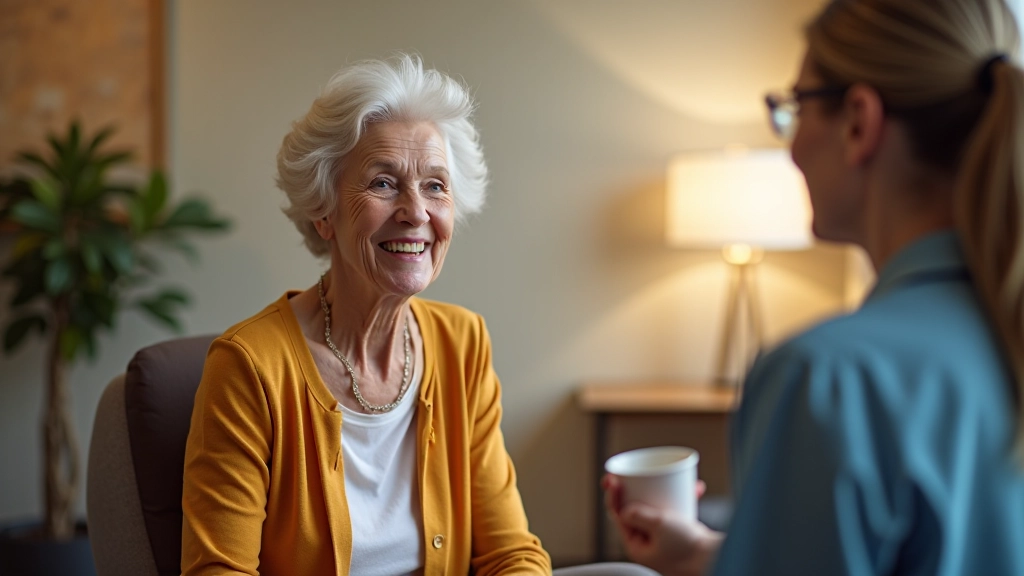
Your first stop should be the senior center in your area. Most towns have at least one, often run by the Parks and Recreation department. Call or visit in person — you'll get the complete schedule and meet the staff. They're usually incredibly helpful about matching people with programs that fit their interests and abilities.
Don't overlook these resources either: your parent's doctor might recommend specific programs, the local library often hosts senior groups, faith communities frequently offer activities, and many hospitals run wellness programs for older adults. Universities sometimes welcome seniors to audit classes. Area agencies on aging maintain comprehensive directories of what's available in your region.
The key thing? There's usually more available than people realize. Most communities have programs running several days a week. Cost varies — some are free, others charge a small fee per class or month. Many offer scholarships if cost is a barrier.
Overcoming Common Barriers
Your parent might say "I'm too tired" or "I don't know anyone there." These aren't real obstacles — they're just the anxiety talking before trying something new. Here's how to help.
Transportation
Many senior centers offer free or subsidized bus service. Some programs send a van to pick people up. If your parent can't drive, ask about ride-sharing options or arrange to drive them yourself — at least for the first few times until they get comfortable.
Physical Limitations
Programs exist for every ability level. Can't do standing yoga? Try seated classes. Don't want group fitness? Try a hobby group instead. The point isn't pushing physical limits — it's staying connected.
Social Anxiety
It's completely normal to feel nervous before joining. Suggest going with a friend, or volunteer to attend the first session with your parent. Most people find that the anxiety disappears once they actually start — they're usually welcomed immediately.
Cost Concerns
Ask about scholarships, sliding scales, or free trial sessions. Many programs are genuinely free. Some offer "pay what you can" options. Don't let cost stop your parent from trying something.

What Actually Happens When Seniors Get Involved
Beyond just having fun, here's what research and experience show us.
Better Health Outcomes
Regular activity combined with social connection reduces depression, improves sleep, lowers blood pressure, and strengthens the immune system. It's not magic — it's biology. Connection matters.
Sharper Mind
Learning new things, engaging with others, and staying mentally active slows cognitive decline. Classes, games, and volunteering all keep the brain working.
Sense of Purpose
Volunteering and contributing to a group gives older adults a reason to get up in the morning. Purpose is powerful — it literally extends lifespan.
New Friendships
People in their 70s and 80s do make new friends — especially in structured group settings. These friendships matter. They lead to more invitations, more activities, and genuine companionship.
Getting Started: A Simple Action Plan
Ask What Interests Them
Don't assume. Your parent might love painting but hate fitness. They might want to meet people but not be competitive. Have a conversation about what actually sounds appealing to them.
Research Local Options
Google "senior center near me" or call your local Parks and Recreation department. Ask your parent's doctor. Check with your area agency on aging. You'll find more than you expect.
Arrange the First Visit
Offer to drive them or help with transportation. Go with them if they're nervous. Most programs welcome newcomers and will make introductions. The hardest part is showing up that first time.
Follow Up and Encourage
After that first class, check in. Did they enjoy it? Did they meet anyone? Encourage them to go a few more times — it takes time to feel comfortable and connect. Consistency builds friendships.
Make It Happen
The difference between a senior who stays isolated and one who thrives often comes down to one thing: someone cared enough to help them take the first step. That someone could be you. Your parent might grumble about going to their first water aerobics class. But three months later, they'll be telling you about their new friends, talking about the community garden they're helping with, or excited about the book club meeting next week.
That's not a small thing. That's quality of life. That's the difference between existing and actually living. Start this week — find one program, make one phone call, have one conversation. Your parent's social life might depend on it.

Important Disclaimer
This article provides general information about senior social programs and community engagement. It's not a substitute for professional medical advice, mental health counseling, or personalized care recommendations. Before your parent participates in any new activity or program, especially fitness classes, consult with their healthcare provider to ensure it's appropriate for their current health status. Individual circumstances vary widely, and what works for one person may not work for another. Always prioritize your parent's safety, comfort, and individual needs when exploring new programs.
Related Articles

Finding the Right In-Home Care Provider
Learn what questions to ask, how to evaluate qualifications, and what to expect when hiring home care help for your parent.
Understanding Assisted Living Communities
Overview of what assisted living offers, how it differs from other care options, and what to consider when evaluating communities.

Rehabilitation After Hospitalization: What to Expect
Guide to recovery options including in-home therapy, rehabilitation facilities, and the rehabilitation process timeline.